メニュー
JP | JPY
-
-
-
- Challenges and Chances: A Review of the 1st Stem Cell Community Day
- Summertime, and the Livin’ Is Easy…
- Follow-on-Biologics – More than Simple Generics
- Bacteria Versus Body Cells: A 1:1 Tie
- Behind the Crime Scene: How Biological Traces Can Help to Convict Offenders
- Every 3 Seconds Someone in the World Is Affected by Alzheimer's
- HIV – It’s Still Not Under Control…
- How Many Will Be Convicted This Time?
- Malaria – the Battle is Not Lost
- Physicians on Standby: The Annual Flu Season Can Be Serious
- At the Forefront in Fighting Cancer
- Molecular Motors: Think Small and yet Smaller Again…
- Liquid Biopsy: Novel Methods May Ease Cancer Detection and Therapy
- They Are Invisible, Sneaky and Disgusting – But Today It’s Their Special Day!
- How Many Cells Are in Your Body? Probably More Than You Think!
- What You Need to Know about Antibiotic Resistance – Findings, Facts and Good Intentions
- Why Do Old Men Have Big Ears?
- The Condemned Live Longer: A Potential Paradigm Shift in Genetics
- From Research to Commerce
- Chronobiology – How the Cold Seasons Influence Our Biorhythms
- Taskforce Microbots: Targeted Treatment from Inside the Body
- Eyes on Cancer Therapy
-
-

-
-
-
- Challenges and Chances: A Review of the 1st Stem Cell Community Day
- Summertime, and the Livin’ Is Easy…
- Follow-on-Biologics – More than Simple Generics
- Bacteria Versus Body Cells: A 1:1 Tie
- Behind the Crime Scene: How Biological Traces Can Help to Convict Offenders
- Every 3 Seconds Someone in the World Is Affected by Alzheimer's
- HIV – It’s Still Not Under Control…
- How Many Will Be Convicted This Time?
- Malaria – the Battle is Not Lost
- Physicians on Standby: The Annual Flu Season Can Be Serious
- At the Forefront in Fighting Cancer
- Molecular Motors: Think Small and yet Smaller Again…
- Liquid Biopsy: Novel Methods May Ease Cancer Detection and Therapy
- They Are Invisible, Sneaky and Disgusting – But Today It’s Their Special Day!
- How Many Cells Are in Your Body? Probably More Than You Think!
- What You Need to Know about Antibiotic Resistance – Findings, Facts and Good Intentions
- Why Do Old Men Have Big Ears?
- The Condemned Live Longer: A Potential Paradigm Shift in Genetics
- From Research to Commerce
- Chronobiology – How the Cold Seasons Influence Our Biorhythms
- Taskforce Microbots: Targeted Treatment from Inside the Body
- Eyes on Cancer Therapy
-
-
JP | JPY
Sorry, we couldn't find anything on our website containing your search term.
“This Project Will Make Significant Contributions Towards Sustainable Climate Protection”
生命科学の探究
- 実験室の日常
- Off the Bench
- Bright Minds
A research and industry consortium wants to reforest Mauritania. Peter Heck from the Environmental Campus Birkenfeld at Trier University of Applied Sciences explains the details.
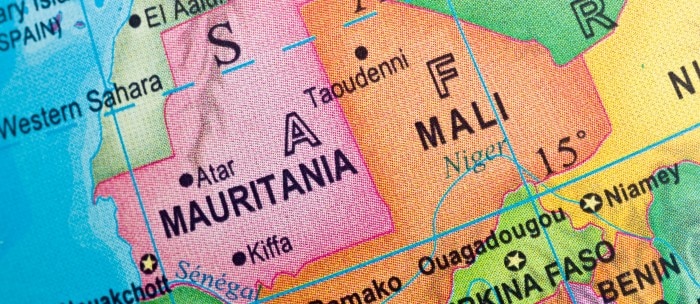
Professor Heck, Mauritania is located in northwestern Africa, and consists mostly of sand. Within the framework of the Sahara Rennaissance Project (SAREP), the desert is to become greener. Why here?
Peter Heck: Mauritania is impacted particularly strongly by climate change. Furthermore, the country is not very developed, and many people suffer from hunger. I consider it the duty of mankind to create conditions that will benefit the climate as well as the population. But you asked, why specifically Mauritania? After all, many countries suffer from the warming of the climate. There are many reasons: for example, only a small proportion of the land surface is currently utilized for agricultural purposes. In addition, Mauritania is located by the ocean – this means that plenty of water is available for desalination using solar and wind energy. SAREP thus finds the most favorable conditions in this region. Initially, we aim to create ecological islands on which sustainable and diverse biological life is free to develop. Thanks to a leasing agreement, two million hectares of land are available to us for this purpose. We will be able to use it for a period of 50 years, after which it will be returned developed to Mauritania. The local government is in complete support of this project.
Peter Heck: Mauritania is impacted particularly strongly by climate change. Furthermore, the country is not very developed, and many people suffer from hunger. I consider it the duty of mankind to create conditions that will benefit the climate as well as the population. But you asked, why specifically Mauritania? After all, many countries suffer from the warming of the climate. There are many reasons: for example, only a small proportion of the land surface is currently utilized for agricultural purposes. In addition, Mauritania is located by the ocean – this means that plenty of water is available for desalination using solar and wind energy. SAREP thus finds the most favorable conditions in this region. Initially, we aim to create ecological islands on which sustainable and diverse biological life is free to develop. Thanks to a leasing agreement, two million hectares of land are available to us for this purpose. We will be able to use it for a period of 50 years, after which it will be returned developed to Mauritania. The local government is in complete support of this project.
もっと読む
SAREP – this sounds like an ambitious plan. Let’s talk about the financing: who is contributing?
Heck: Overall, financing will occur via the CO2-certificate market. We are, in fact, facing complex challenges, foremost due to the size and complexity of the project, and because potential investors often have a false impression of Mauritania as an investment location. The country has a long history of high-standard mining – thus, well-functioning logistics and skilled personnel are already in place. We already have several of strong partners by our side, including industry partners, with a variety of different interests: steel manufacturers are interested in direct reduced iron, petroleum companies in bio-based oil, and mechanical engineers anticipate a sizeable market for the sale of pumps, irrigation systems and energy plants. Financing talks for the first 300 hectares of land are underway with several different partners from industry, the finance sector, and family offices – societies which manage the large private assets of family owners.
Is there an immediate benefit to the climate and the population?
Heck: This project will contribute to sustainable climate protection in several ways. Every tree that grows in the desert removes carbon dioxide from the atmosphere. We are planning to bind up to 160 tons of CO2 per hectare and year in the desert – this would equal 25 to 30 percent of the annual emissions of Germany. Reforestation would lead to regional cooling and, in the best-case scenario, a lasting increase in precipitation. We will deploy the financial means in such a way that they will benefit climate protection while at the same time provide solutions to other problems. We thus combine the binding of CO2 with the largest possible social, ecological and economic added value for Mauritania. In the end, 400,000 new jobs are to be created – with training centers, schools, day care facilities and housing. The local population will be able to grow their own food on a piece of land. Up to ten percent of the total area is designated towards the production of staple foods, and we will also ensure that the people have access to clean and affordable drinking water.
Heck: Overall, financing will occur via the CO2-certificate market. We are, in fact, facing complex challenges, foremost due to the size and complexity of the project, and because potential investors often have a false impression of Mauritania as an investment location. The country has a long history of high-standard mining – thus, well-functioning logistics and skilled personnel are already in place. We already have several of strong partners by our side, including industry partners, with a variety of different interests: steel manufacturers are interested in direct reduced iron, petroleum companies in bio-based oil, and mechanical engineers anticipate a sizeable market for the sale of pumps, irrigation systems and energy plants. Financing talks for the first 300 hectares of land are underway with several different partners from industry, the finance sector, and family offices – societies which manage the large private assets of family owners.
Is there an immediate benefit to the climate and the population?
Heck: This project will contribute to sustainable climate protection in several ways. Every tree that grows in the desert removes carbon dioxide from the atmosphere. We are planning to bind up to 160 tons of CO2 per hectare and year in the desert – this would equal 25 to 30 percent of the annual emissions of Germany. Reforestation would lead to regional cooling and, in the best-case scenario, a lasting increase in precipitation. We will deploy the financial means in such a way that they will benefit climate protection while at the same time provide solutions to other problems. We thus combine the binding of CO2 with the largest possible social, ecological and economic added value for Mauritania. In the end, 400,000 new jobs are to be created – with training centers, schools, day care facilities and housing. The local population will be able to grow their own food on a piece of land. Up to ten percent of the total area is designated towards the production of staple foods, and we will also ensure that the people have access to clean and affordable drinking water.
もっと読む
Portrait:
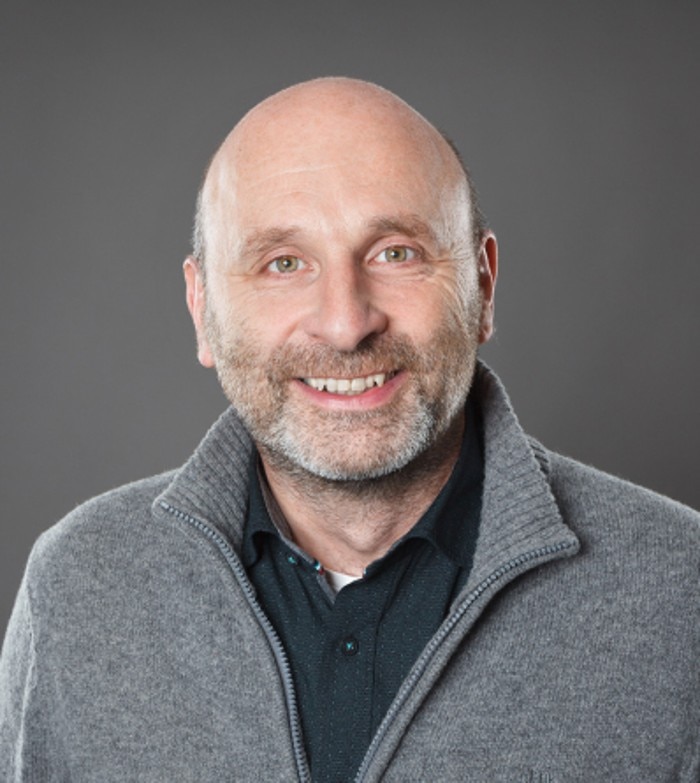
Professor Peter Heck is the director of the Institute for Applied Material Flow Management at the Environmental Campus Birkenfeld at Trier University of Applied Sciences. Since 2020, he has been working on the idea of reforesting the desert of Mauritania. The SAREP project was kicked off in October 2023 at the first international SAREP conference.